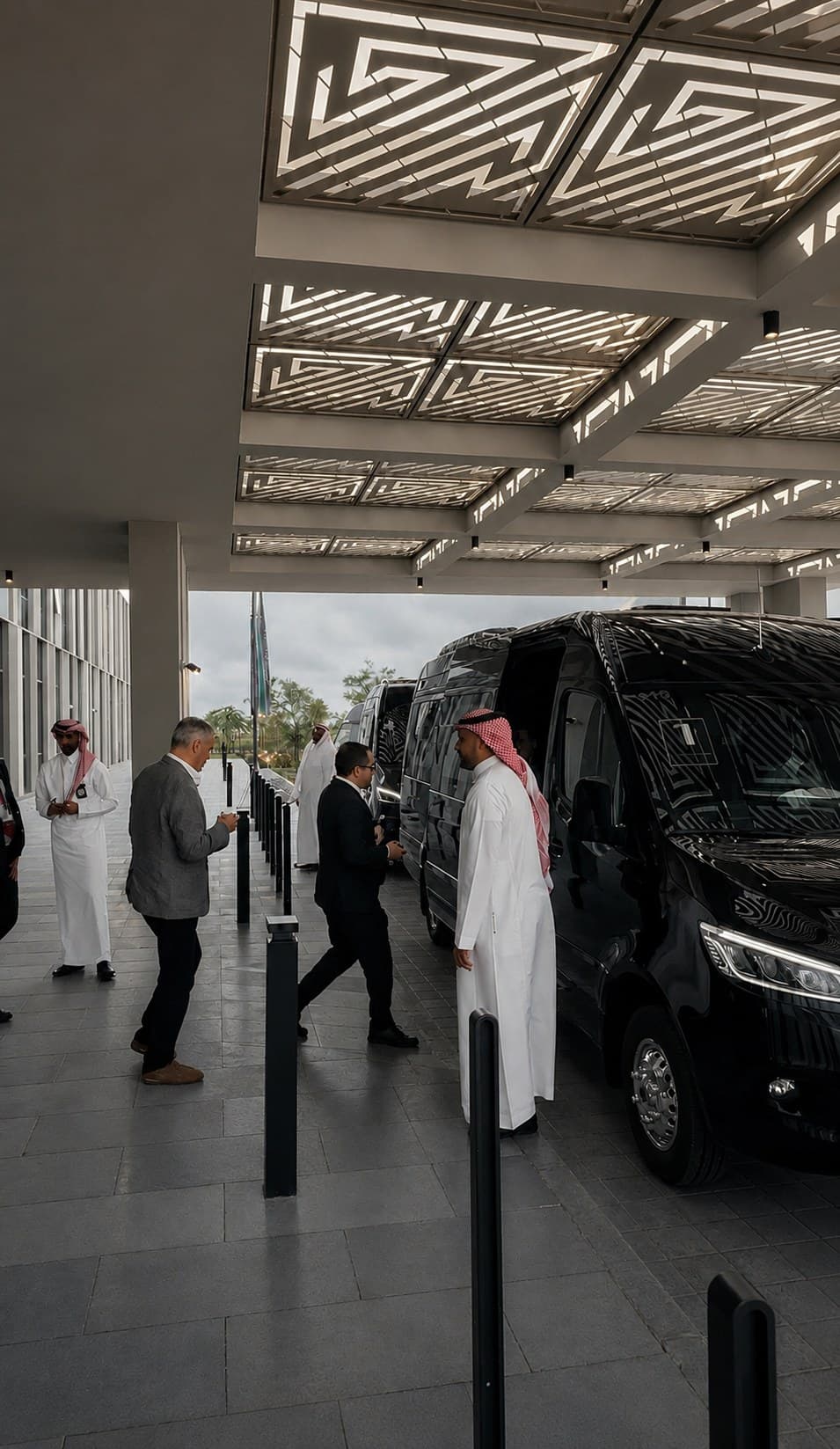
In hotels and resorts, the standard of hospitality isn't measured by the quality of the room alone — a guest's journey to and from the hotel is part of the experience they remember. When a specialized provider takes over mobility, transport becomes a natural extension of the hotel's own standards, not a separate service bolted on.
Mobility is an extension of hospitality, not a side service
A guest welcomed warmly by the hotel and then left waiting for an unready vehicle walks away with a fragmented impression. Aligning reception standards between the hotel team and the transport team — in appearance, manner, and response time — keeps the experience continuous from arrival to departure.
Flexible schedules that follow guests' rhythm
Guests don't move on a single schedule — some leave early for meetings, others return late from an evening reception. Good service keeps vehicles ready at expected peak times, with the ability to meet an unscheduled request without long notice.
Preparing for events the hotel hosts
When a hotel hosts a conference or major event, demand for transport multiplies in specific hours. Advance coordination with hotel management on expected guest numbers and the event program allows the right fleet to be prepared instead of improvised at peak time.
Privacy and senior guests
Some guests require complete privacy in their movements. Drivers trained to be discreet and keep schedules confidential, and designated vehicles for senior guests, protect their trust in the hotel itself — not just in the transport service.
The Bottom Line
Good transport within a hospitality setup goes unnoticed because it simply works. When mobility becomes part of the hotel's own standards, it shows up in guest satisfaction and the reputation of the property.